
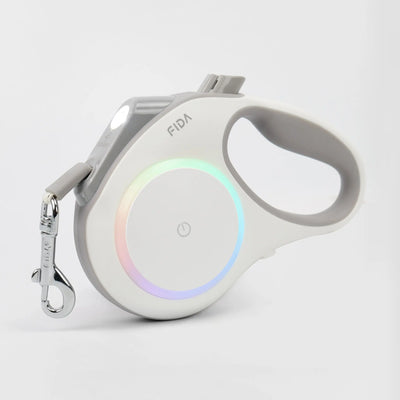
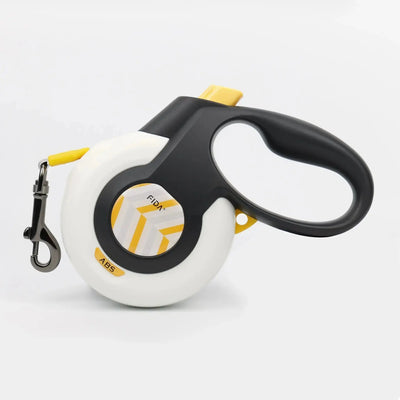
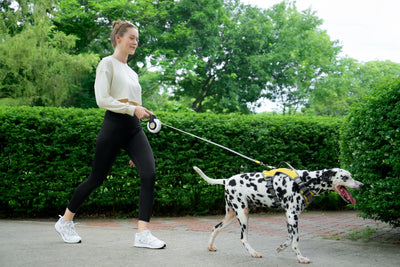
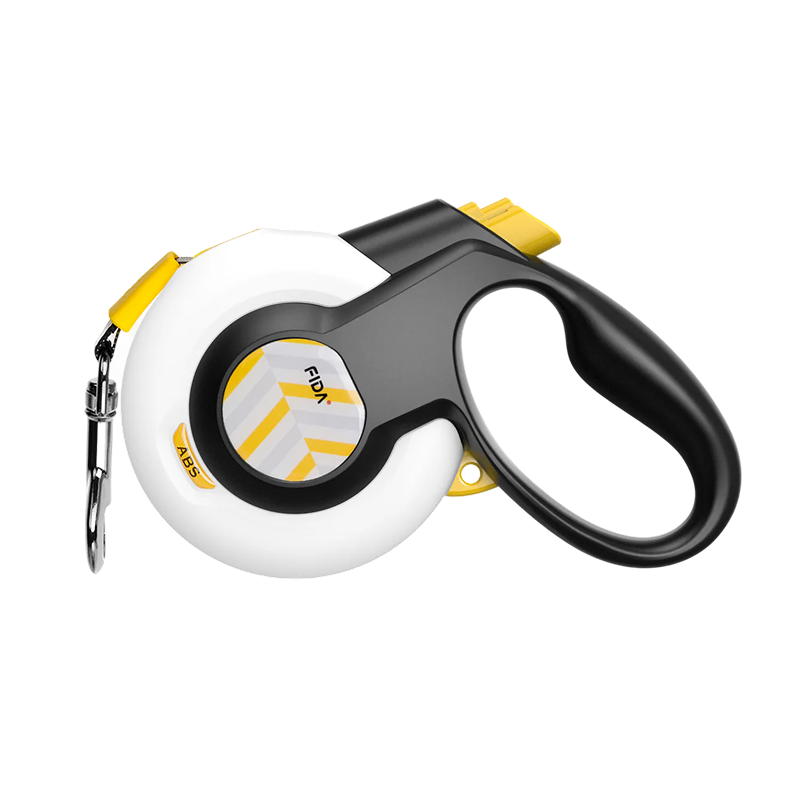
 Retractable Leashes
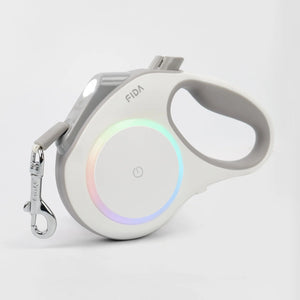
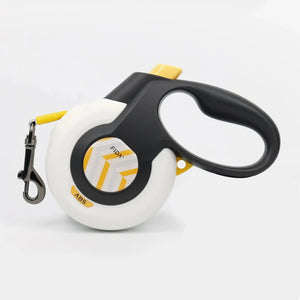
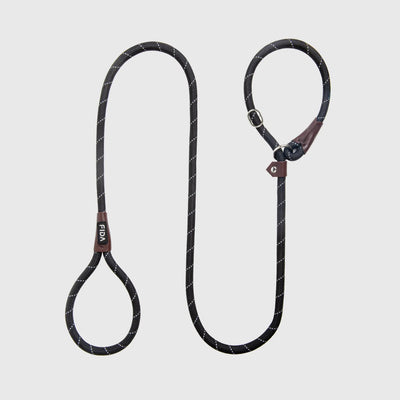
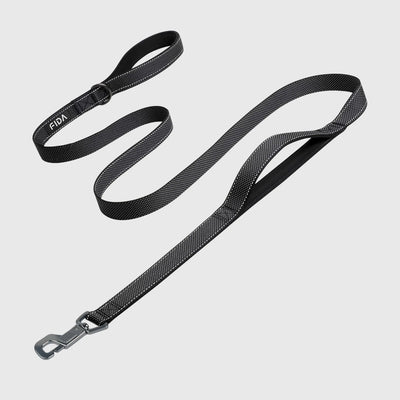
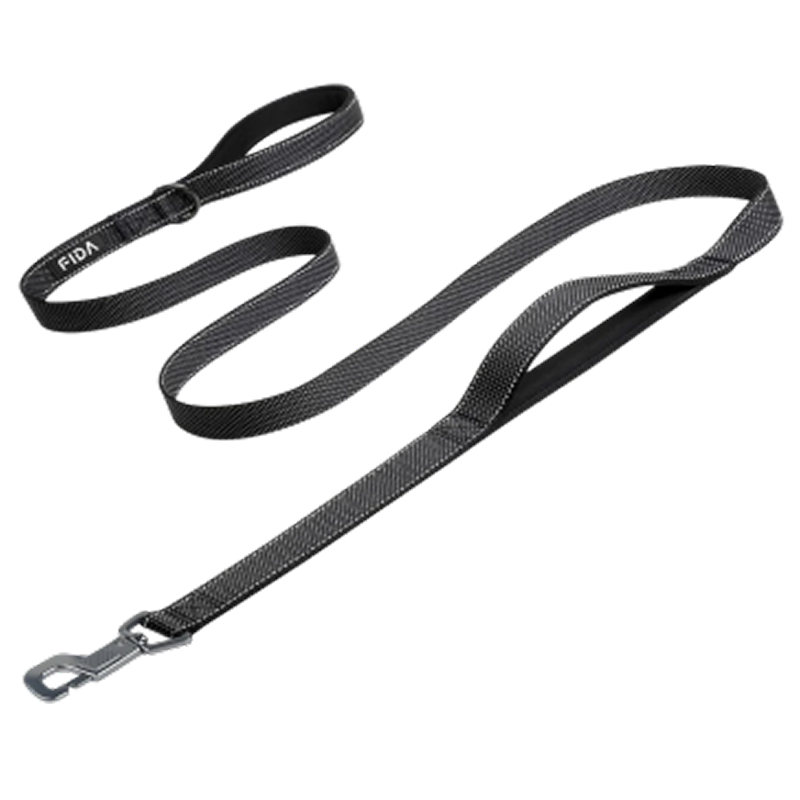 Non-Retractable Leashes


Active, strong breeds—think Huskies, Labrador Retrievers, German Shepherds—need walking gear that matches their power and stamina. A retractable leash can give these dogs extra freedom to explore, but only if the leash is built for the job and used responsibly. Below is a practical, trainer-friendly guide to what to look for, where retractables make sense, and how to use them safely with high-energy or heavy dogs.
Why leash design matters for active breeds
Active breeds generate more force when they bolt, chase, or pull. A cheap retractable with thin cord and a weak brake can fail quickly, causing dangerous jerks, tangles, or even breakage. The right retractable reduces shock on the dog and handler, offers reliable stopping power, and lasts through frequent use.
Key specs to prioritize
-
Reinforced tape or thick webbing
Flat tape or reinforced webbing resists abrasion and is easier to control than narrow cord. It’s less likely to slice or snap under load. -
Reliable braking system
A one-hand, responsive brake that locks the line firmly is essential. Look for a mechanism that doesn’t stick and that gives predictable control when you need to shorten the line fast. -
Heavy-duty housing and hardware
Impact-resistant casing, rust-proof swivel hooks, and strong anchor points reduce the chance of mechanical failure during intense activity. -
Ergonomic, non-slip handle
A padded, shaped handle reduces hand fatigue and gives you a secure grip when your dog surges. -
Tensile rating and weight rating
Choose a model specifically rated for your dog’s weight and strength. Don’t rely on vague “heavy duty” labels—check the manufacturer’s recommendations. -
Smooth retraction & anti-tangle outlet
A 360° swivel outlet or design that prevents twisting keeps the line from wrapping around your dog’s legs or objects.

Where retractables work — and where they don’t
Good for: open, low-traffic spaces
-
Parks, large fenced fields, and wide trails let active dogs stretch out safely while you keep them tethered.
-
Use the retractable unlocked for free exploration, but be ready to lock it quickly near people, dogs, or hazards.
Use with caution: mixed trails and suburban parks
-
Moderate traffic and multiple users require quick locking and close attention. Keep the leash on a shorter setting and lock when others pass.
Not recommended: busy sidewalks, city streets, crowded dog parks
-
Reduced control and tangles make retractables a poor fit in dense, unpredictable environments. A fixed 4–6 ft leash or hands-free system is safer here.
Scenario-based advice
-
Off-leash-style exploration (large park): Use a heavy-duty retractable unlocked to ~16 ft. Let the dog sniff and explore, but lock the leash when other walkers approach.
-
Trail with cyclists/dog walkers: Keep the leash set to a medium length and stay on the uphill/inner track; lock when cyclists or groups appear.
-
Urban/commuter walking: Opt for a short fixed leash. If you must use a retractable, lock it to a short length and treat it like a fixed leash.
-
Training sessions: Retractable leashes are not ideal for initial leash training for pullers. Teach loose-leash behavior first on a 4–6 ft lead, then gradually introduce a high-quality retractable.
Safety rules for active dogs on retractables
-
Train before you upgrade. Teach recall, “leave it,” and loose-leash basics on a short leash first. A retractable is not a substitute for training.
-
Use a harness, not a collar. For powerful breeds, attach the retractable to a well-fitted harness to avoid neck strain.
-
One-hand operation only. Never wrap the leash around your hand—hold the handle with one hand and operate the brake with your thumb.
-
Lock early, not late. Lock the line when crowds, cars, or other dogs appear. A locked line stops a surge faster than scrambling to catch it mid-pull.
-
Inspect often. Check tape/webbing, brake button, housing, and swivel before each walk. Replace the leash at the first sign of fray or stickiness.
-
Avoid rough play near the line. Chasing or tugging near the reel increases tangles and risk of snapping.
-
Know your dog’s limits. If your dog routinely lunges at dogs or wildlife, a retractable may not be appropriate until behavior improves.

Quick comparison table
| Feature / Situation | Heavy-Duty Retractable (reinforced tape) | Standard Retractable (thin cord) | Fixed 4–6 ft Heavy Leash |
|---|---|---|---|
| Best for active/large breeds | ✅ Highly suitable | ⚠️ Not recommended | ✅ Very suitable |
| Control in crowds | ⚠️ Use locked | ❌ Poor | ✅ Excellent |
| Freedom to explore | ✅ High | ✅ High | ⚠️ Limited |
| Durability | ✅ High | ❌ Low | ✅ High |
| Training use | ➖ After basics | ❌ No | ✅ Yes, for beginners |
| Recommended scenario | Parks, large trails | Short, open fields only | City, training, crowded areas |
Final checklist before you buy
-
Is the leash rated for your dog’s size and strength?
-
Does it use flat tape or reinforced webbing?
-
Is the braking mechanism smooth and reliable in tests/reviews?
-
Does the handle feel comfortable for prolonged grip?
-
Will you use it mainly in open areas or in the city?
A brief note on design and trusted options
If you want a model that balances freedom with safety, look for brands that prioritize engineering: reinforced materials, tested braking systems, and user-friendly handles. For owners of pulling or highly energetic dogs, pairing a robust retractable with a quality front-clip or no-pull harness delivers the best blend of control and comfort.
