
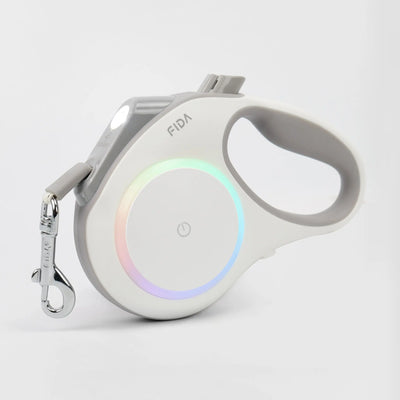
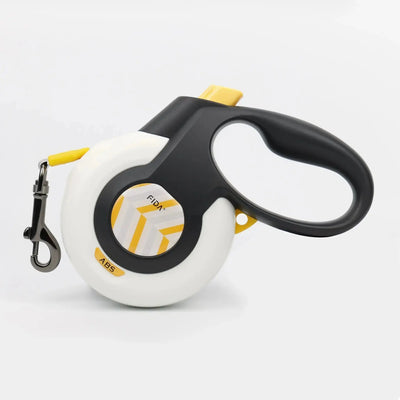
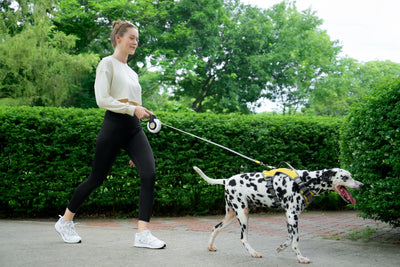
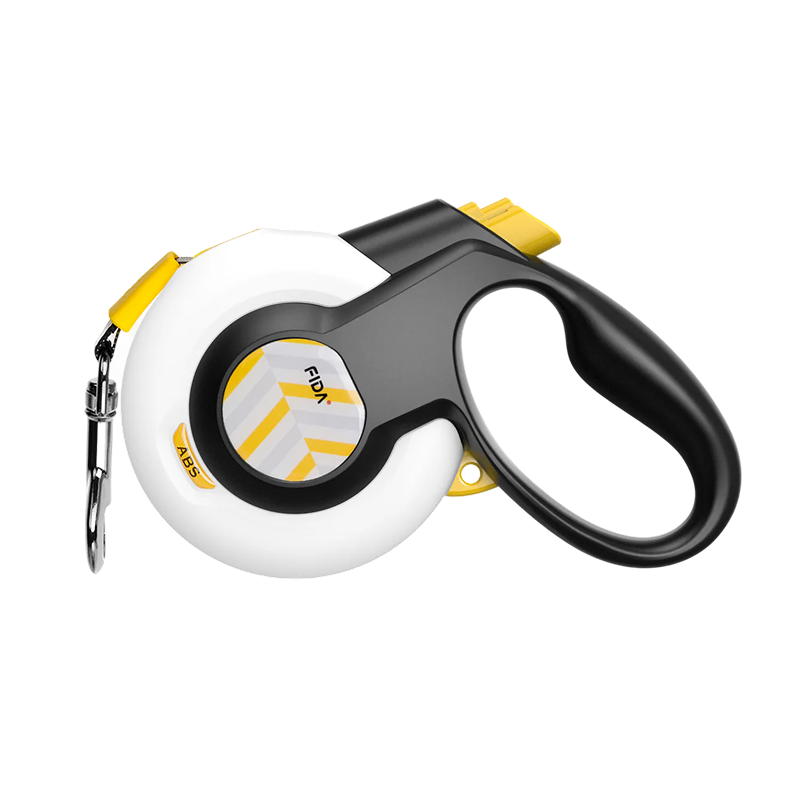
 Retractable Leashes
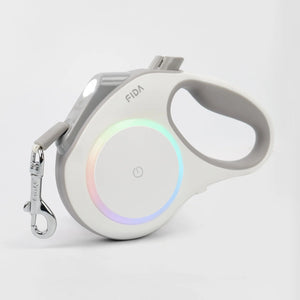
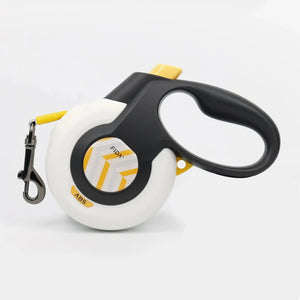
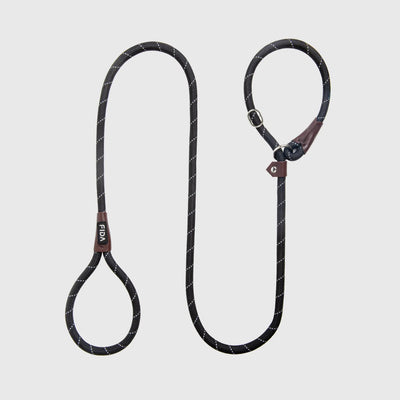
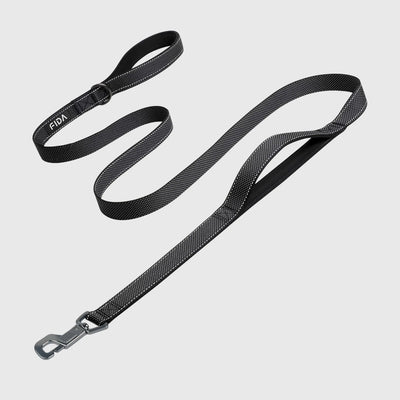
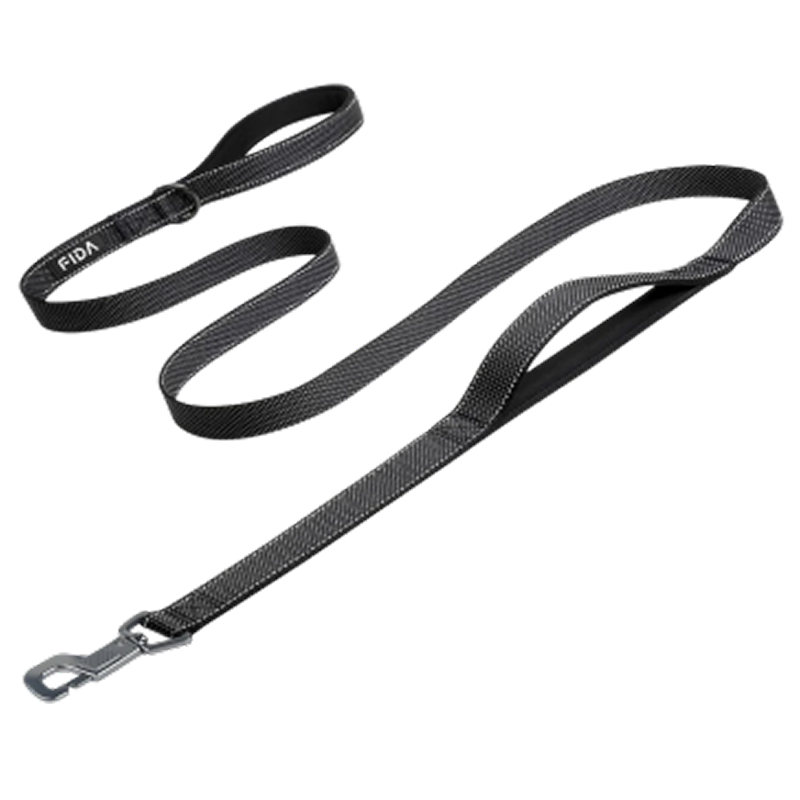 Non-Retractable Leashes
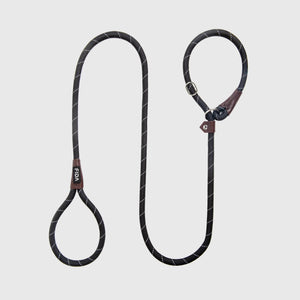
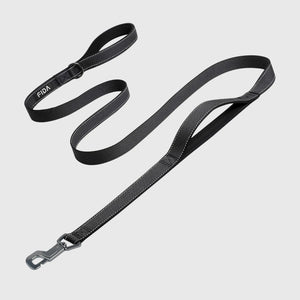


Retractable leashes spark strong opinions. Some owners swear by the freedom they give dogs; others warn they’re dangerous and irresponsible. The truth sits somewhere between those extremes: retractable leashes are tools with pros and cons. Used thoughtfully, they can be safe and useful. Used carelessly, they can create avoidable problems.
Below we debunk the common myths, explain when retractable leashes are appropriate, and offer practical safety rules every owner should follow.
Myth 1 — “Retractable leashes make dogs worse on the leash”
Reality: A leash doesn’t change a dog’s temperament; training does.
Retractable leashes give dogs more range, which can be rewarding — and when that reward replaces calm walking, bad habits can form. But that’s a training issue, not a leash defect. Owners who introduce a retractable leash before a dog understands basic leash manners often see pulling or increased excitement. Conversely, dogs that already respond reliably to cues can enjoy more freedom without losing manners.
Tip: Teach loose-leash walking and reliable cues (come, wait, watch me) before giving long reach. Use the retractable in short, controlled sessions while reinforcing calm behavior.

Myth 2 — “Retractable leashes are always unsafe”
Reality: They can be risky in certain environments, but are not inherently unsafe.
The main hazards associated with retractables are: reduced control in high-traffic areas, risk of tangles, and injuries from thin cords or sudden jerks. Those risks are real — but predictable. In open parks or fields with low pedestrian traffic, a well-built retractable can let a dog sniff and explore while remaining tethered.
When they work well: quiet open spaces, off-leash-style exploration while still maintaining a safety tether, or for dogs with good recall.

Myth 3 — “Retractable leashes always tangle and trip people”
Reality: Tangling is a common issue — but preventable with awareness and practice.
Leash tangles happen when the line wraps around objects or other dogs and walkers. On narrow sidewalks or during group walks, a fixed 4–6 ft leash is simply more predictable. But if you want to use a retractable in a park, keep these practices:
-
Lock the reel when passing groups or obstacles.
-
Retract to a shorter length when other dogs approach.
-
Maintain a clear handhold (do not wrap the leash around fingers or wrist).

Myth 4 — “The thin cord will cut or injure a dog or owner”
Reality: Some retractables use thin cord, which can cause abrasion; others use flat tape or thicker webbing.
Thin cords can cause rope burns if they slide quickly across skin. They can also cut into paws or necks in rare cases. Look for leashes made from flat tape or reinforced webbing for safer handling, and avoid wrapping any part around your hand. Inspect the material regularly for fraying.
Safety note: Never use a retractable with a choke chain or training prong. Pair retractables with a harness (not a collar) to avoid neck injuries if the dog suddenly accelerates.

Myth 5 — “Retractables cause leash-reactivity or aggression”
Reality: Leash reactivity is usually about emotional state and trigger exposure, not the leash type itself.
If a dog reacts aggressively on a long line, the problem is the trigger — other dogs, traffic, or fear — and the handler’s strategy for managing it. A long reach can make it harder to intervene quickly. For reactive dogs, short, controlled lines and behavior modification work far better.
Practical Guidelines: Where, When, and How to Use a Retractable Leash
-
Use location logic: Retractables are best in low-traffic, open areas. Avoid them in urban centers, busy parks, or places with heavy bike/scooter traffic.
-
Train first: Teach basic cues and calm behavior on a standard 4–6 ft leash before upgrading to a retractable.
-
Choose the right build: Prefer flat tape or reinforced webbing over thin cords; pick a model rated for your dog’s weight and strength.
-
One-hand rule: Operate the reel with one hand; never wrap the leash around fingers or your wrist.
-
Lock strategically: Keep the brake engaged near hazards, crowds, or when expecting other dogs to pass.
-
Pair with a harness: For safety and better control, attach the leash to a properly fitted harness rather than a neck collar.
-
Inspect regularly: Check the tape/cord, hardware, and button for wear and replace if frayed or sticky.
-
Use recall backups: If your dog has unreliable recall, keep them on a shorter setting or stick with a fixed leash until recall is solid.
Quick Do / Don’t Checklist
Do:
-
Do use a retractable in open, low-traffic areas.
-
Do teach impulse control before giving extra range.
-
Do lock the leash when passing people or dogs.
-
Do choose a quality model rated for your dog’s size.
Don’t:
-
Don’t wrap the leash around hands or body.
-
Don’t pair a retractable with a slip collar for strong pullers.
-
Don’t ignore frayed tape or malfunctioning brakes.
Final Thought: A Balanced View
Retractable leashes are neither inherently dangerous nor a miracle cure. They’re tools that extend a dog’s freedom in the right settings and can aid enrichment by letting dogs explore more scent-space. The difference between safe use and accidents is usually the owner’s judgment: choose the situation, the hardware, and the training to match your dog’s needs. When used responsibly — with attention to environment, gear quality, and training — a retractable leash can be a helpful part of your walking toolkit.
If you’re curious about safety-focused designs, look for models with reliable braking systems, durable tape or webbing, and ergonomically comfortable handles — features that make responsible use easier and safer.