

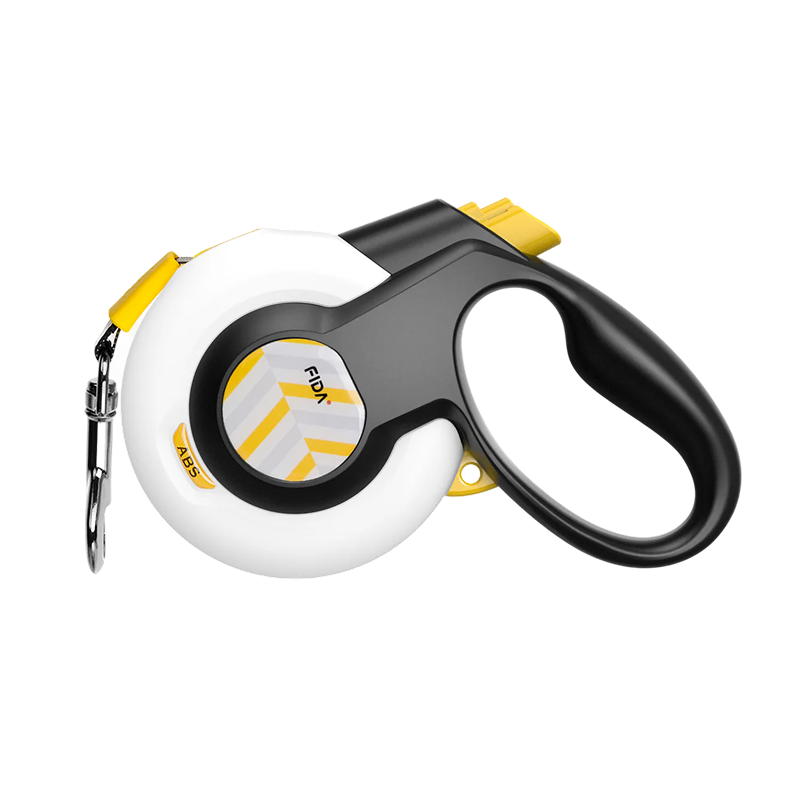
 Retractable Leashes

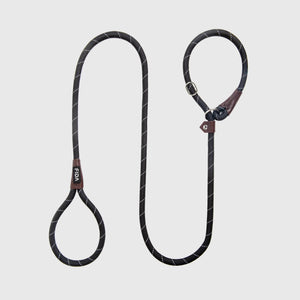
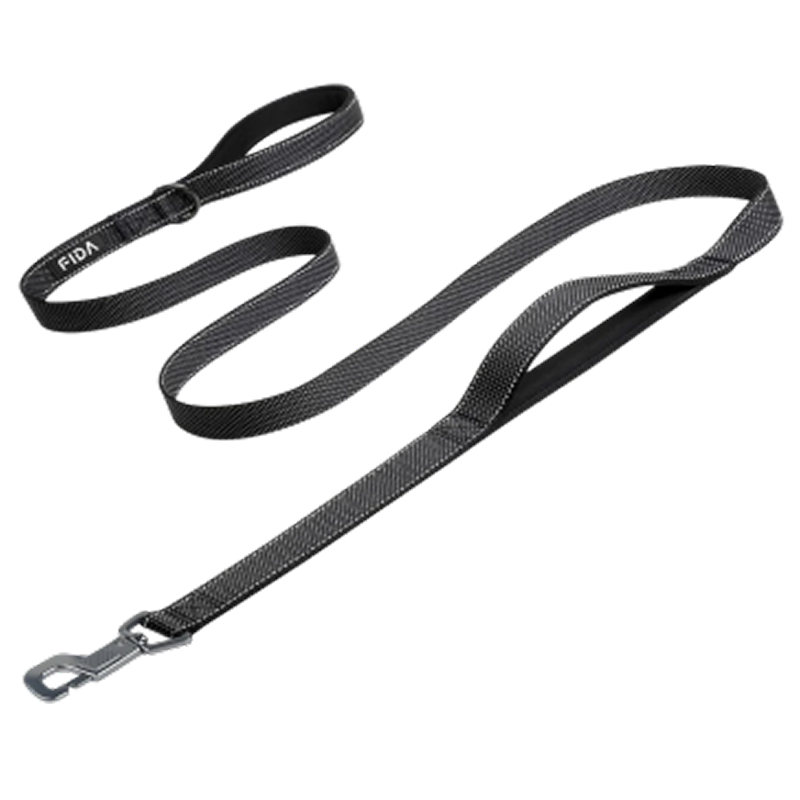 Non-Retractable Leashes
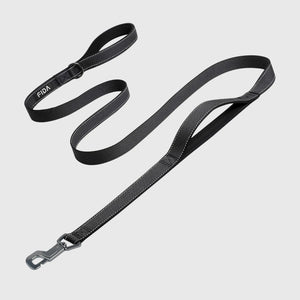


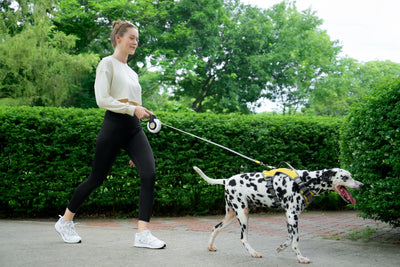
Walking a dog in the city can be a rich, rewarding experience — fresh smells, people to meet, new routes to explore. It can also be stressful if you’re not prepared. Busy sidewalks, traffic, bikes, scooters, and other dogs all demand attention and clear handling. Below is a practical, no-nonsense guide to keeping your walks safe, predictable, and enjoyable for both of you.
Plan your route — knowledge is safety
A little planning goes a long way.
-
Choose quieter streets or parks for relaxed sniffing time.
-
Map out higher-traffic stretches where you’ll keep your dog close, and lower-traffic stretches where you can loosen the line.
-
Note safe places to step off the curb (porches, wider sidewalks) and public rest stops in case you need a quick pause.
When you know the route, you can anticipate hazards instead of reacting to them.
Gear that helps — visibility, control, comfort
Good gear isn’t flashy — it’s reliable.
-
Harness vs. Collar: For urban walks, a properly fitted harness spreads pressure and gives you better control without stressing the dog’s neck.
-
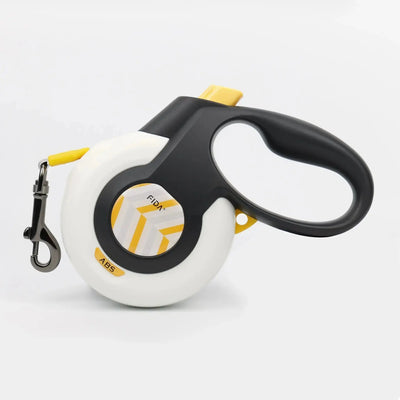
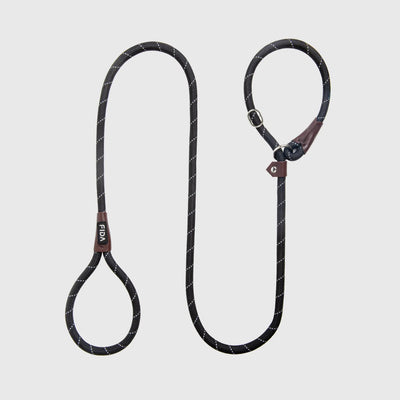
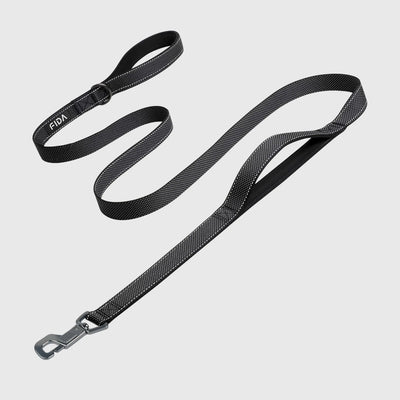
Leash choice: A fixed-length leash (4–6 ft) is the gold standard for city walking because it gives steady control in crowds. For owners who like variable length in open patches, a well-engineered retractable leash with a dependable braking system can work — just use it responsibly. Leashes with comfortable, non-slip handles reduce hand fatigue on longer routes.
-
Visibility: Reflective trim or LED accents on harnesses and leashes make you both more visible at dawn, dusk, or in rain.
-
Extras: Waste bags, a small pouch for treats, and a compact water bottle make interruptions less stressful.
(Example: the AutoBrake-style designs combine smooth retraction with controlled braking for sudden pulls — handy in urban settings where a quick stop is safer than a sudden jolt.)

Train for city life — cues and calm
Training is the backbone of safe urban walking.
-
Teach reliable recall and “heel” or “close”: Even in a crowded setting, your dog should look to you when cued.
-
Build “watch me” or attention cues: A simple eye-contact cue buys you seconds to guide your dog away from a distraction.
-
Practice “shorten” and “loosen”: Train your dog to accept when the line shortens (for traffic) and to relax when it loosens (in quieter spots).
-
Reward calm behavior: Carry small, high-value treats to mark calm passing of people, bikes, or dogs.
Short, frequent training sessions in the places you walk are far more effective than rare, long lessons in the park.
Managing distractions — proactive moves
Distractions are inevitable. Manage them proactively.
-
Anticipate triggers: If you see a cyclist or skateboarder approaching, shorten the leash and step toward a wall or curb so your dog has less room to lunge.
-
Redirect early: If your dog fixates, redirect attention with a cue and treat before the fixation escalates.
-
Keep greetings controlled: Don’t let strangers or children approach without permission. If another dog approaches, ask the handler before allowing interaction. A calm “hello” on leash is different from free play — respect boundaries.
Street crossings and traffic safety
Crossing streets is one of the most hazardous moments of any urban walk.
-
Stop at the curb: Train your dog to sit or wait before stepping into the street. It stabilizes them and gives you control.
-
Make eye contact with drivers if possible: A brief pause and a visible pause by both of you improves predictability for motorists.
-
Avoid sudden moves: Keep your leash short while crossing and move at a steady pace. Never dart into traffic.
Bikes, scooters, and public transit
Urban mobility has changed — be ready.
-
Bikes and scooters: Treat them like fast-moving pedestrians. Shorten the leash, step aside, and ask riders to pass wide if you need more space.
-
Public transit: If you use buses or trains, practice calm entries and exits. Keep a harness on (not a slip collar) and have treats to reward steady behavior.
Night and low-light walking
Visibility saves lives.
-
Reflective gear: Reflective harnesses, leashes, and clips are basic safety.

-
Lights: A small clip-on or leash-mounted LED makes you visible from all angles.

-
Stay predictable: Walk where there’s decent lighting, and avoid shortcuts through unlit alleys.
Emergency prep — be ready for the unexpected
Urban environments bring unique risks; plan for them.
-
Carry contact info: Put a tag on your dog and have your phone easily accessible.
-
Know your vet & emergency clinic: Save addresses and times; urban clinics can be busy, so know your options.
-
Basic first aid: A simple kit (bandage, antiseptic wipes) and basic knowledge of when to seek vet help are valuable.
Final checklist — quick before-you-go routine
-
Harness fits well (two-finger check).
-
Leash clipped and handle secure.
-
Waste bags, phone, treats, water packed.
-
Plan A route and Plan B (quieter path) in your head.
-
Calm tone: you set the emotional pace.
Walking in a city doesn’t have to be stressful. With predictable routines, the right gear, and small training habits, urban walks can be safe, stimulating, and deeply rewarding for both you and your dog. Keep things simple, stay aware, and let curiosity—guided by calm leadership—be the highlight of each outing.