
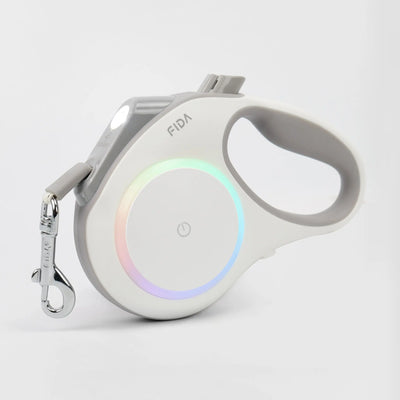
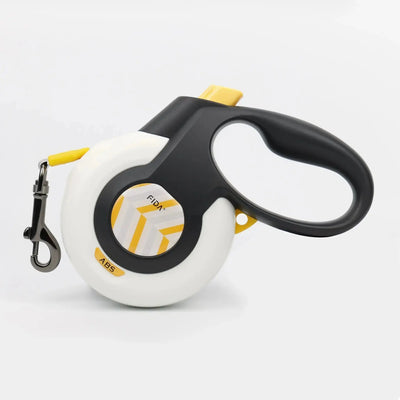
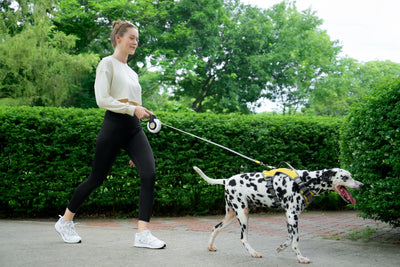
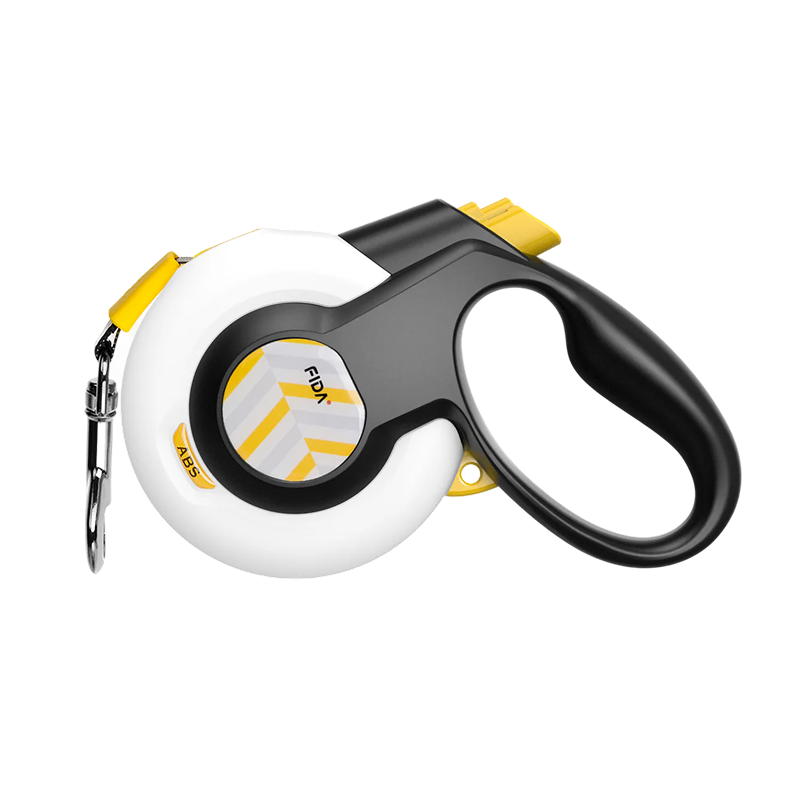
 Retractable Leashes
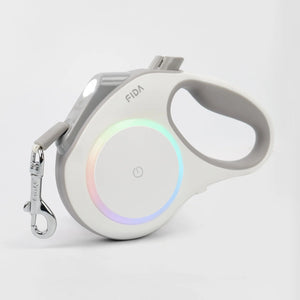
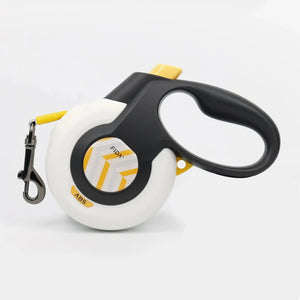
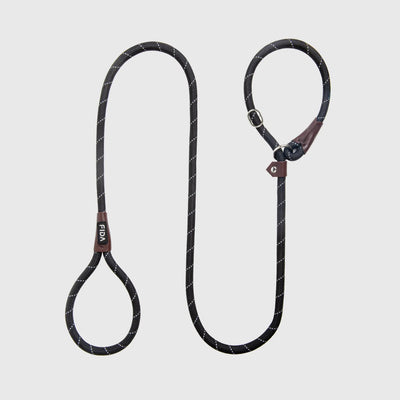
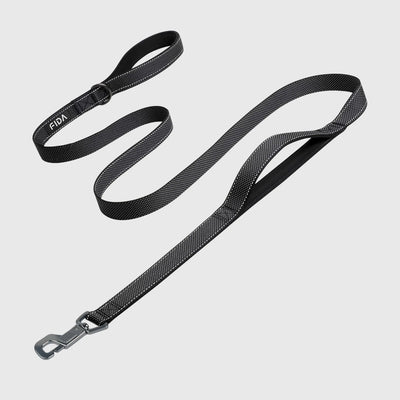
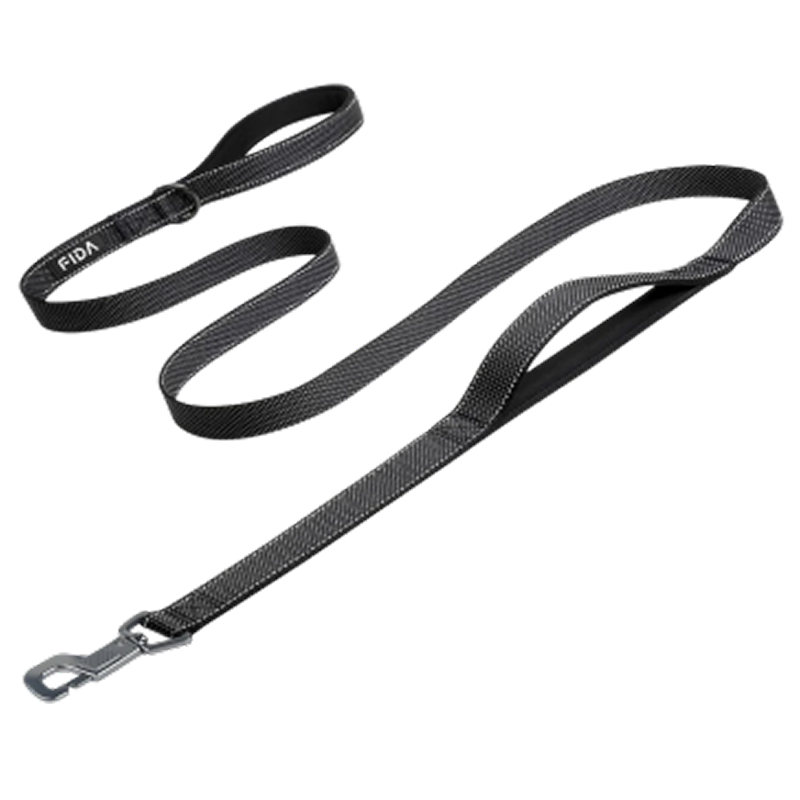 Non-Retractable Leashes
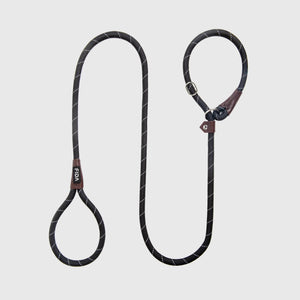
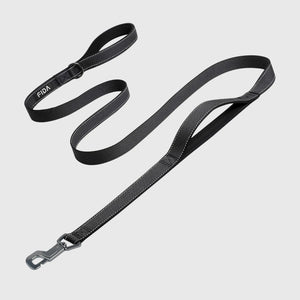


Choosing the right dog harness can make everyday walks safer, more comfortable, and far more enjoyable for both you and your dog. With so many options on the market, it’s easy to feel overwhelmed. This guide breaks down what really matters—fit, function, and your dog’s unique needs—so you can make a confident choice.

Why Many Owners Prefer Harnesses Over Collars
While collars are useful for ID tags and quick outings, they aren’t always the best choice for regular walks. Dogs that pull, lunge, or have respiratory concerns can be especially vulnerable to pressure around the neck. A well-designed harness helps distribute force across the chest and shoulders, giving your dog more freedom to move while reducing strain.
Harnesses also offer better control, which can be reassuring when walking in busy neighborhoods or around distractions. For puppies still learning leash manners, this extra guidance can make a big difference.
How to Choose the Best Harness for Your Dog
Not all dogs move the same way, and a harness that works perfectly for a small, calm breed may not hold up for a larger or more energetic dog. Here are a few things to consider:
1. Your Dog’s Size and Body Shape
Measure both the chest and neck to ensure the harness will sit in the right place. Breeds with broad chests, long torsos, or slim frames may need a slightly different cut.
2. Walking Style and Energy Level
A dog that pulls or zigzags may benefit from a design that offers better control, while a relaxed walker might simply need a comfortable, lightweight harness.
3. Material and Breathability
Look for fabrics that won’t trap heat and straps that won’t rub. Soft padding around pressure points is especially helpful for longer outings.
4. Ease of Use
Some harnesses slip on over the head, while others secure around the body. Choose something you can put on and take off quickly—this helps keep daily routines smooth.

A Step-by-Step Guide to Proper Harness Fit
A good harness shouldn’t feel tight, but it also shouldn’t slide around. Here’s a simple way to check the fit:
-
Start with the chest straps and adjust them so they sit comfortably behind the front legs.
-
Make sure you can fit two fingers between the straps and your dog’s fur.
-
Check movement by letting your dog walk around the room. The harness shouldn’t shift or rub.
-
Test the leash attachment to ensure the hardware stays centered and secure.
Revisit the fit regularly—especially with growing puppies or dogs whose weight fluctuates.
A Comfortable Option for Daily Walks
For owners looking for a balance of control and comfort, a no-pull harness can be a helpful tool during training or with excitable dogs. FIDA’s No-Pull Harness is one example of a design that focuses on stability, soft padding, and consistent control without putting pressure on the neck. It’s simple to adjust and is built to make everyday walks feel smoother.

Final Thoughts
A great harness should make walks safer, easier, and more enjoyable—not complicated. When you prioritize fit and comfort, your dog will naturally feel more relaxed and confident on the leash. With the right setup, those daily walks can become one of the best parts of your routine.