
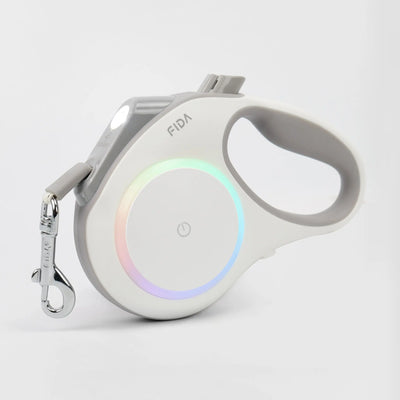
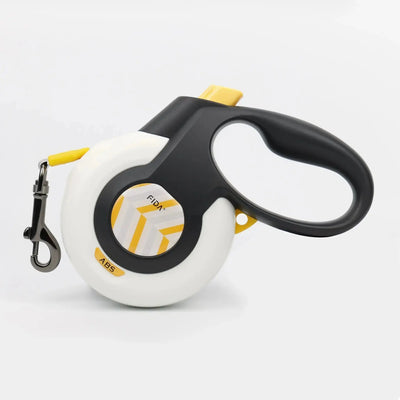
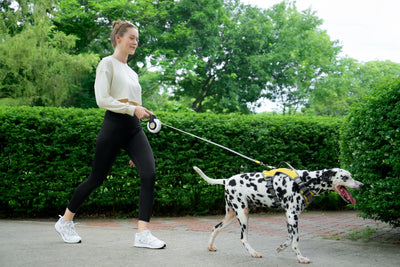
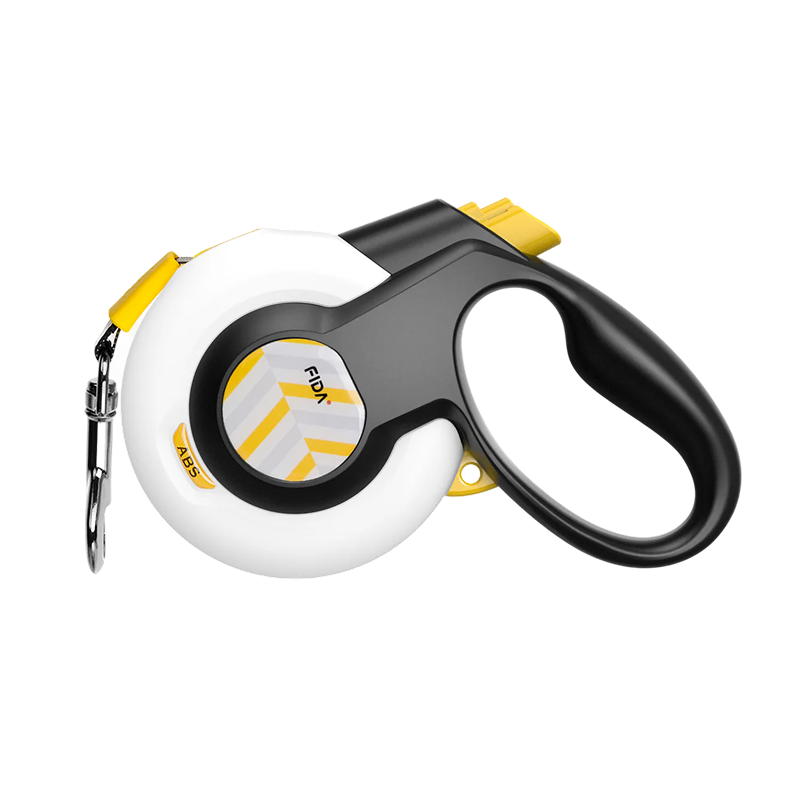
 Retractable Leashes
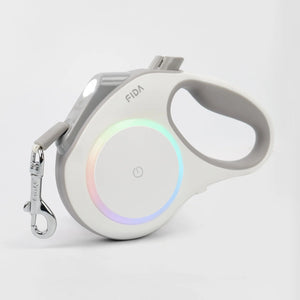
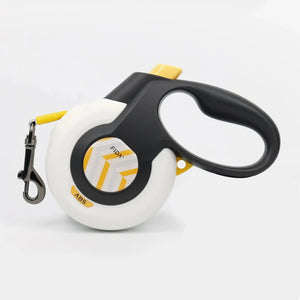
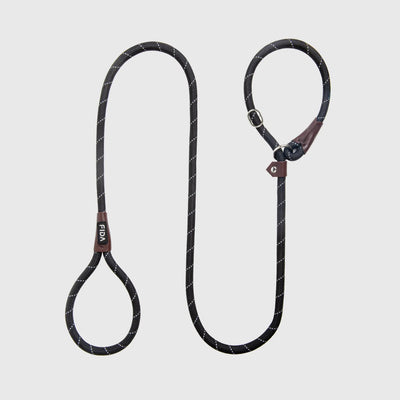
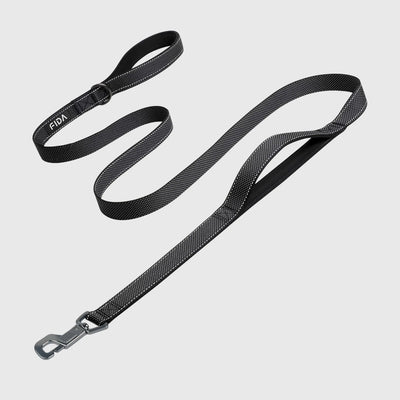
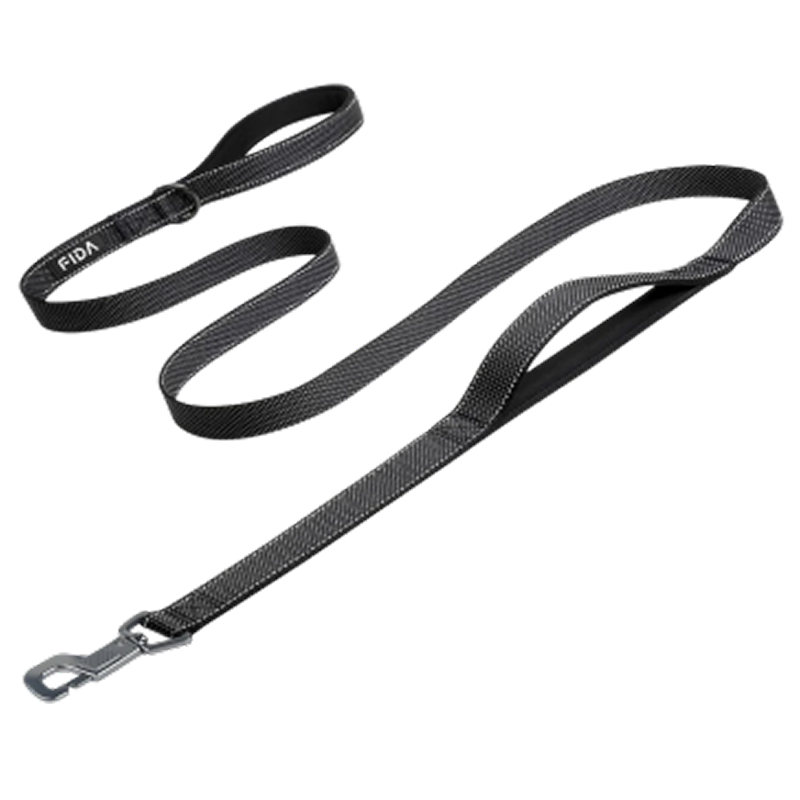 Non-Retractable Leashes
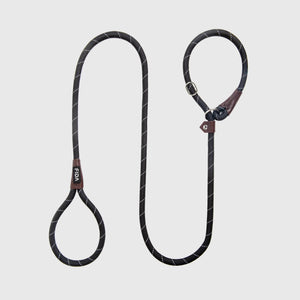
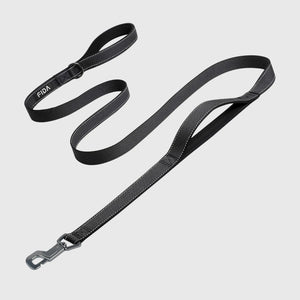


Good leash manners make walks safer and more enjoyable—for you and your dog. The goal isn’t perfection; it’s consistent, predictable behavior that keeps both of you calm and in control. Below is a straight-forward, trainer-friendly guide with practical exercises, when to consider a front-clip harness, and simple troubleshooting tips you can use today.
Why leash manners matter
Pulling, lunging, or constant tugging isn’t just annoying — it can cause strain, make social interactions harder, and create risky moments near traffic. Teaching a dog to walk politely improves safety, reduces stress, and lets the dog enjoy walks the way they were meant to.
Training principles to follow
Keep these rules in mind before you start any drill:
-
Short, consistent sessions beat long, random practice. Ten minutes a day is better than one long, exhausting session.
-
Positive reinforcement works best: reward the behavior you want (loose leash, attention, calm passing).
-
Be predictable: use the same cues, the same timing for rewards, and the same leash setup. Dogs learn patterns.
-
Stay calm and patient: your energy sets the tone for your dog.
When to use a front-clip harness
Front-clip harnesses attach the leash at the dog’s chest rather than the back. They’re not a magic fix, but they’re highly effective tools for many leash-pulling dogs.
Good reasons to choose a front-clip harness:
-
Your dog pulls strongly and consistently.
-
You need more steering control for safety in busy areas.
-
You want to reduce pressure on the neck (especially for breathing-sensitive breeds).
What front-clip harnesses do: they redirect motion to the side, making pulling less rewarding and giving you more leverage to guide your dog. Use them as a training aid while you teach alternative behaviors—don’t think of them as a permanent crutch.
(FIDA’s No-Pull Harness, for example, is designed to distribute pressure evenly while offering a front-clip option for training control.)
Practical exercises and drills
Here are five drills you can start today. Each drill is best practiced in a low-distraction place before moving to busier routes.
1) Stop-and-Go (basic leash etiquette)
-
Start walking. The moment the leash gets tight, stop.
-
Wait for slack (dog looks to you, sits, or relaxes).
-
Release and continue with a cheerful cue and a small reward.
Do 5–10 short repeats per walk. This teaches: pulling = stop, loose = go.
2) Change Direction (focus & leadership)
-
Walk forward, then abruptly change direction and walk the other way.
-
Reward the dog when they follow your lead.
This reinforces attention and that you set the path.
3) Look / Check-In (attention cue)
-
Train a “look” or “watch me” cue: hold a tiny treat to your eyes, say “look,” and reward eye contact.
-
Use this cue to re-engage your dog when distractions appear.
A quick glance back can prevent a pull or lunge.
4) Reward the Near (loose-leash shaping)
-
Reward frequently for small steps toward the ideal (two steps at your side = yes!).
-
Gradually increase the distance before rewarding.
This shapes steady improvements without pressure.
5) Threshold Practice (doorway control)
-
Before exiting the house, ask for a sit or calm check. Reward compliance, then open the door.
-
Repeat several times a day.
This builds impulse control and prevents rushing out the door.
Sample 2-Week Practice Plan
-
Week 1: 10 minutes daily — Stop-and-Go + Look cue training in backyard/quiet street.
-
Week 2: 10–15 minutes daily — Add Change Direction drill and practice in one slightly busier area.
Track progress: note the number of pulls per 10-minute walk; a steady decrease shows success.
Troubleshooting common problems
-
Dog still pulls hard: Increase frequency of Stop-and-Go. Consider a front-clip harness for better steering.
-
Dog freezes or panics at distractions: Back up to quieter spots and reward any calm behavior. Work gradually.
-
Regression after excitement: Keep cool and shorten sessions; excited dogs lose focus faster. Reset expectations and reward small wins.
Gear reminders
-
Use a sturdy leash (4–6 ft fixed length for training) and a comfortable handle.
-
Avoid choke or prong collars for leash training — they can cause harm and disrupt learning.
-
A well-fitted front-clip harness can be a valuable training tool; make sure it fits properly and doesn’t rub.
(FIDA’s No-Pull Harness is built to distribute pressure evenly and support training while keeping your dog comfortable.)

Final tips
Consistency and calm leadership win the long game. Celebrate the small improvements—two fewer tugs per walk is progress. If progress stalls or your dog shows fear or aggression, consult a professional trainer or behaviorist for personalized support.
Good leash manners are an earned habit. With short, regular practice and the right tools, walks will become more relaxed, safer, and far more enjoyable for both of you.